Timber, WPC or Composite Cladding? Choosing the Right Material for Your Home
Your home’s façade defines its character. It’s the first thing you see when you arrive home, but probably the last thing you want to spend your Saturday afternoon maintaining. Yet many homeowners choose timber cladding without fully considering what it involves: regular cleaning, treatment and, depending on the finish, repainting or staining. If you’re looking for low-maintenance exterior cladding, you’ll soon come across timber, WPC and composite materials. Although these terms are often used interchangeably, the materials can differ significantly in composition, ageing, performance and appearance.
Home » Timber, WPC or Composite Cladding? Key Differences
13-11-2026
Patrick Smidt
Timber Cladding: Authentic but Demanding
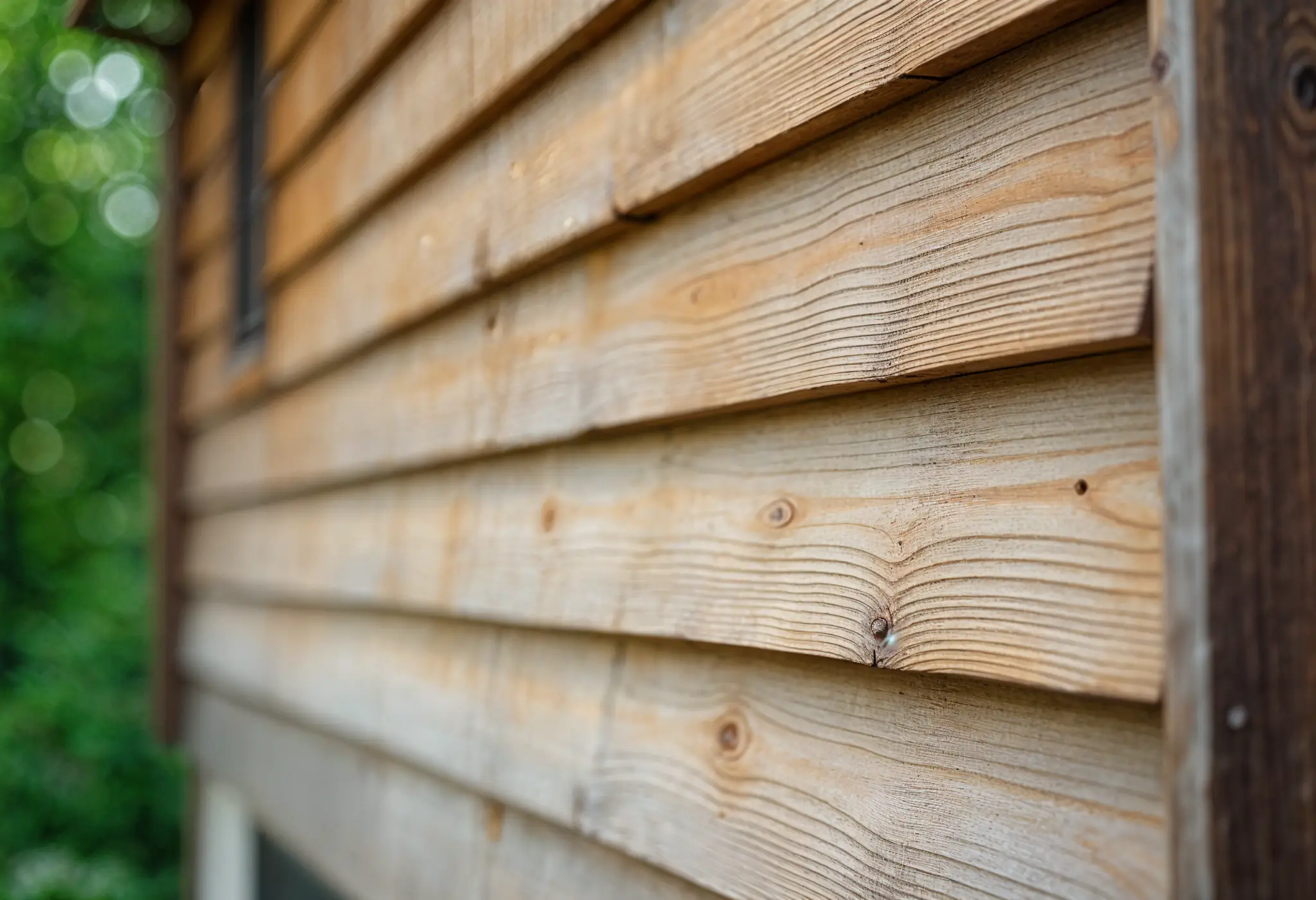
Timber remains a timeless choice for exterior cladding and sets the standard for a warm, natural appearance. Species such as Douglas fir, larch, cedar and thermally modified timber each offer distinctive grain patterns and natural character. Every board is unique. However, timber is a natural material that continually responds to sunlight, moisture and changing weather conditions. Without regular treatment, many timber species gradually weather to a grey colour, sometimes unevenly where parts of the façade are sheltered by roof overhangs. If you want to preserve the original colour and finish, you’ll need to allow for ongoing maintenance, which may include cleaning, sanding, oiling or staining. The exact maintenance requirements depend on the timber species, treatment and installation conditions.
WPC Cladding: Plastic Combined with Wood Fibres
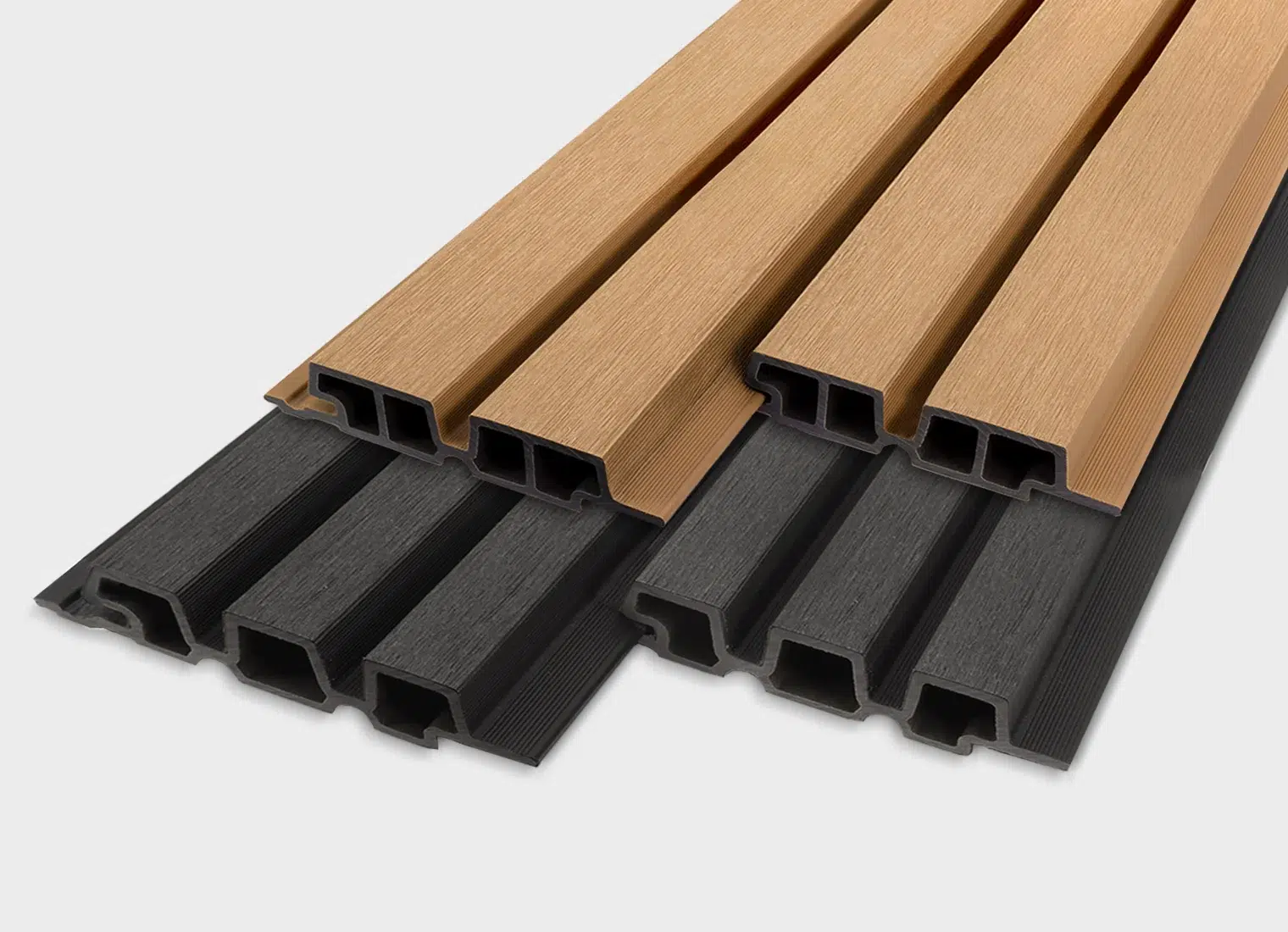
WPC stands for Wood-Plastic Composite. It is a type of composite material made from a combination of wood fibres and polymers, often incorporating recycled materials. WPC cladding can offer a more affordable alternative to premium façade materials and generally requires less surface treatment than natural timber. However, its performance depends heavily on the composition, manufacturing process and protective surface layer. Some WPC products may be susceptible to moisture-related swelling or deterioration if water reaches exposed wood fibres, particularly around cut edges or damaged areas. Appearance also varies between manufacturers. Certain extruded products have repetitive grain patterns or a slightly synthetic finish, while higher-quality WPC products can achieve a more convincing timber appearance. It’s therefore important to compare individual products rather than assume all WPC cladding performs in the same way.
Wood-Free Mineral Composite: The Appearance of Timber Without Wood Fibres
Wood-free mineral composite takes a different approach. Rather than combining plastic with wood fibres, it uses a mineral-based core bonded with polymer resin and finished with a protective surface layer. Because the material contains no wood fibres, it avoids the timber-related risks of rot and splintering. Its engineered construction also provides dimensional stability and resistance to moisture-related deterioration, although appropriate installation and allowance for material movement remain important. The result is a cladding material that combines the appearance of natural timber with significantly reduced maintenance requirements.
What Should You Look for When Choosing Composite Cladding?
Not all composite cladding products offer the same level of quality or performance. Start by examining the material composition. Wood-containing WPC and wood-free mineral composite behave differently when exposed to moisture and changing weather conditions. Next, consider how the surface is manufactured. Extruded boards may feature repeated textures, while moulded products can reproduce the depth and irregularity of genuine timber grain more closely. Finally, check the manufacturer’s specifications for UV resistance, weathering, installation requirements and warranty coverage. These details will help you assess not only how the cladding looks when first installed, but also how it is likely to perform over time.
What Does Cladding Cost Over Its Lifetime?
Timber cladding can appear more affordable in the initial quotation, while premium composite cladding generally requires a higher upfront investment. But the purchase price is only part of the calculation. Over 15 to 25 years, maintenance costs for timber can include specialist coatings, cleaning products, access equipment and professional labour. Wood-free mineral composite typically requires routine cleaning rather than periodic sanding, staining or painting. When comparing the total cost of ownership, it’s worth considering the initial material and installation costs, expected maintenance, potential repairs and the time involved. Depending on the project, the lower maintenance requirements of premium composite cladding can help offset its higher initial price.
AlterWood’s Solution: Millboard Cladding
For homeowners seeking the authentic character of oak combined with low-maintenance performance, Millboard offers a distinctive solution. Millboard boards are moulded from carefully selected pieces of real oak and hand-finished to recreate the natural depth, texture and colour variations of timber. Its wood-free mineral-based core and resilient Lastane® surface provide resistance to rot and splintering, while making everyday dirt and surface deposits easier to clean. Millboard cladding is designed to retain its appearance without the regular painting, staining or oiling associated with traditional timber.
The collection offers four distinctive design options: Enhanced Grain: a refined, contemporary timber appearance with natural grain detailing. Weathered Oak: a more rustic, characterful finish inspired by naturally weathered oak. Shadow Line: a contemporary cladding profile with distinctive shadow gaps and strong architectural lines. Board & Batten: a textured, three-dimensional profile that creates depth and rhythm across the façade. Each collection offers its own visual character, allowing you to coordinate the cladding with the architecture of your home.
Experience the Difference Yourself
Curious to see how realistic wood-free mineral composite looks and feels in person? Request a Millboard sample through AlterWood and explore the different profiles, textures and colours for your façade.
This remnant stock has only been used for five days at a trade fair. The boards have not been screwed down, so they are still completely new. However, the floor is dirty and needs to be cleaned with soap and water before use. Includes fastening materials, transport with forklift truck, and VAT. Matching substructure available at extra cost.
Normal retail price: €12,500
Special offer price: €6,250